Mark Lloyd: Let’s not forget this drought!
Rivers Trust CEO, Mark Lloyd, reflects on the risk of forgetting the drought once the rains return and emphasises the need for action at every level to protect our precious water environments.
01/09/25
I’m old enough to remember the 1976 drought, which was so exceptional everyone talked about it as a once-in-a-lifetime, stand-out event in the normal pattern of soggy summers that we would all collectively moan about. Recent experience has shown that it was no such thing. 2025 looks set to be the hottest and driest summer since records began by a considerable margin, and we’ve had three other summers in the past 20 years that have put 1976 in the shade. In the past few months, I’ve seen several rivers I know and love reduced to trickles, or even just dry shingle, devoid of life. High temperatures and minimal rainfall have taken a really serious toll on aquatic wildlife and people’s enjoyment of rivers. Pollution has been concentrated, oxygen levels have crashed, food production has been seriously affected too, as many farmers have seen their yields slashed, to add to their woes.
Water has not stopped coming out of the taps, probably only because groundwater and reservoirs were topped up by a wet 2024 and because drought permits have been granted to allow more water to be taken from rivers than is usually permitted. That won’t always be the case; two successive years like this with a dry winter in between could see the taps run dry with huge impacts for public health and the economy.
However, I predict that after a couple of autumnal downpours, most people will forget all about this record drought and carry on with life as normal. Thousands of water-inefficient buildings will be constructed, land will continue to be paved and drained, and precious freshwater will be hurried out to sea. Most people will fail to fix their leaky cisterns, put off installing a water butt until sometime in the future, and carry on washing their cars and running taps as if we had all the water in the world.
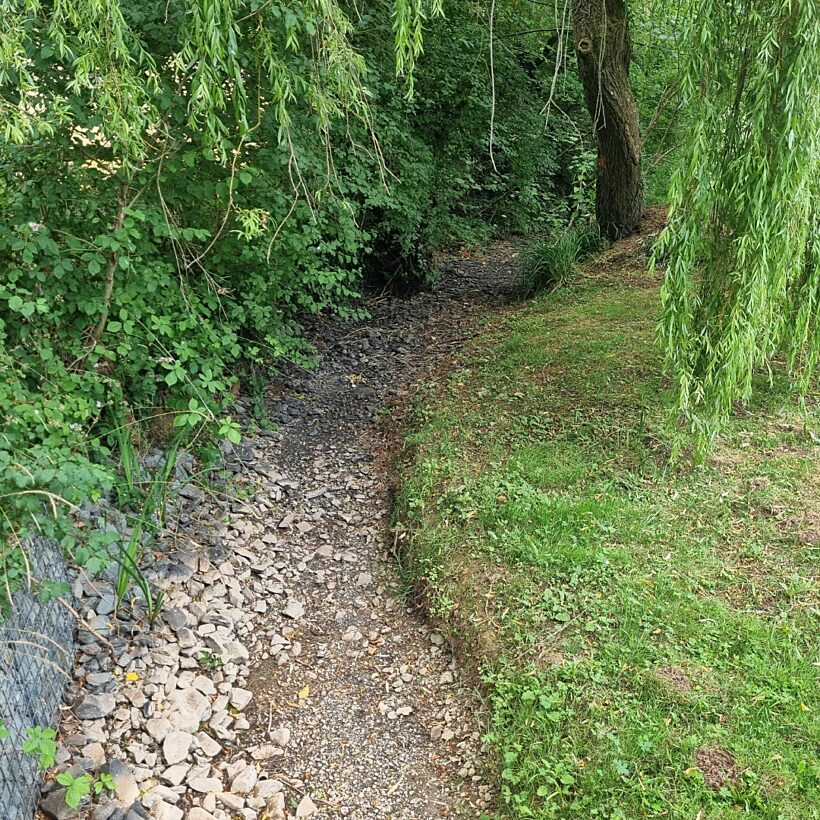
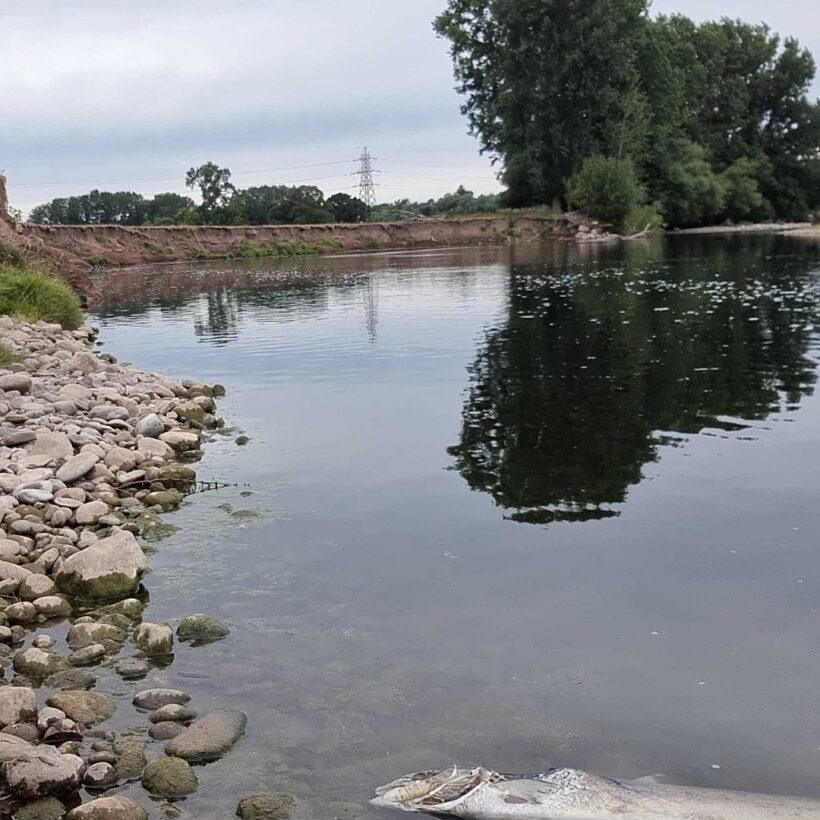
(Left) A dry brook I came across in Herefordshire. (Right) A dead salmon on the River Usk, likely succumbed to the heat.
Humans seem to have an innate collective amnesia when it comes to natural disasters, as the rapid re-habitation of the slopes of volcanoes after eruptions demonstrates. We need to put aside our natural optimism, and our sense that everything will just work out OK in the end and look at the information that is in plain sight telling us that we need to do everything we can to slow climate change, and everything we can to adapt to its inevitable impacts.
Listening to Robert Macfarlane talking to Amol Rajan on the Radical Podcast on Radio 4, I was reminded that just 0.02% of water on the planet is flowing down rivers. This is such a precious resource, and we all need to take wholesale action in homes, businesses and across our landscapes to store, save and treasure freshwater.
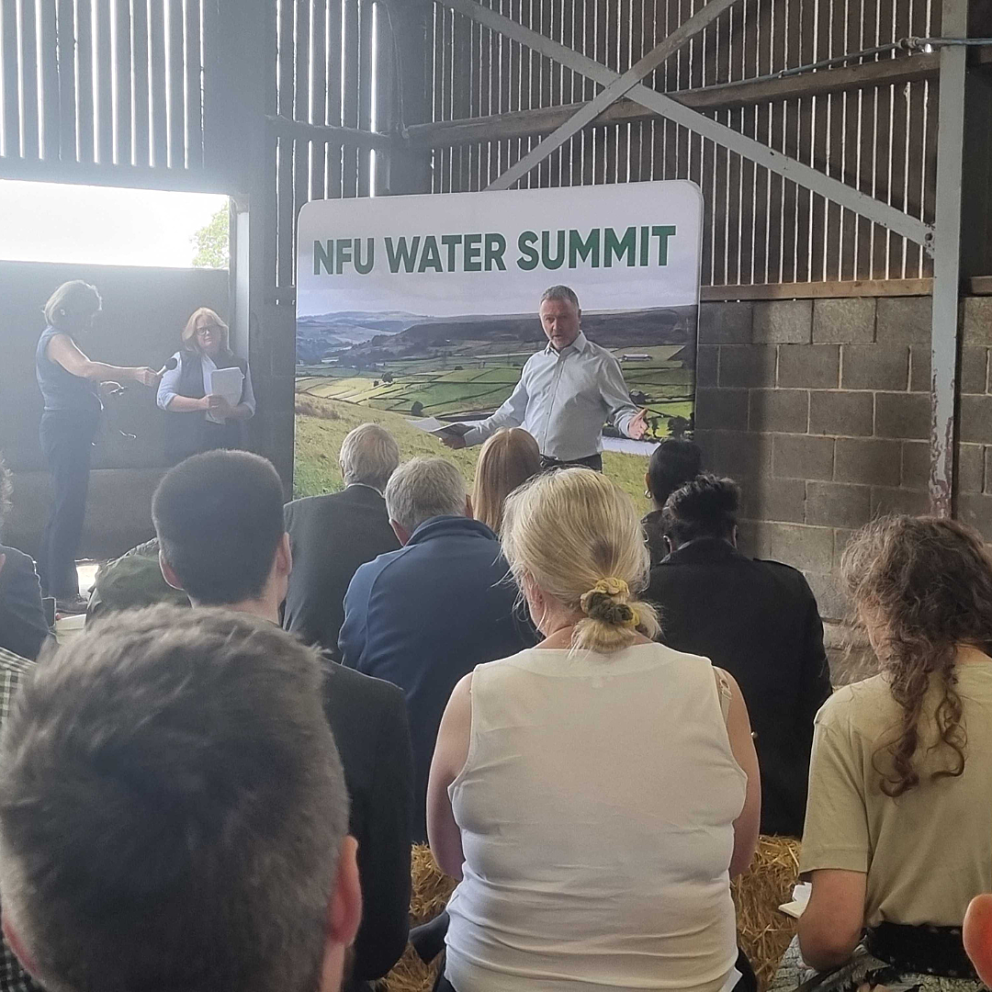
On a positive note, in July I attended the first of what I hope will be many Water Summits organised by the National Farmers Union on a parched Yorkshire dairy farm. There was a genuine recognition that collective action was needed to slow the flow, restore healthy soils and tackle water pollution.
And finally, I’ve been gradually extending the length of my daily jogs, despite the heat, to train for the 43-mile ultra-marathon I’m going to try and complete on 20th of September from the mouth of the River Exe to Dulverton, the Atlantic salmon’s spawning grounds. I’m hoping to raise funds for The Rivers Trust and awareness of the plight of the Atlantic salmon, which feels ever more perilous in these climatically challenged times. Please give generously via Just Giving here.