[The Source Code] Analysis of our National Park Rivers: New report outlines the risk
How The Rivers Trust’s technical team contributed key data analysis of rivers in England’s national parks to the Rivers At Risk Report.
Part of [The Source Code] series: regular tech and data insights from The Rivers Trust’s Heather Bell, celebrating the digital tools and teams powering environmental change. Sign up to our newsletter to get every piece delivered to your inbox.
04/11/25
Blog
Our National Parks are cherished by many and home to world-renowned blue spaces: chalk streams glacial lakes, waterfalls, and, to many a hiker’s dread, bogs. These iconic ecosystems must be forgiven for unscrupulously overtopping our walking boots, though, because they are of course critical for storing carbon, attenuating flood waters, and are incredible wetland habitats.
The Rivers at Risk Report, released this week and authored by Campaign for National Parks and The Rivers Trust, shows that more than 90 million visits to National Parks take place each year in England and Wales; people come to explore rivers, pools, lakes, and wetlands, relying on infrastructure that was designed for less than half a million permanent residents.
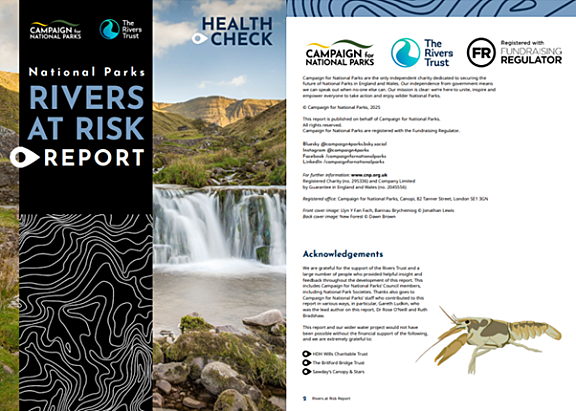
In depth analysis of publicly available data by Dr Josh Jones and David Johnson from the Tech Team at The Rivers Trust shows that even in our National Parks, freshwaters are not meeting the minimum ecological standards set out in law. National Park rivers still contain some of the highest quality freshwater habitats in England and Wales, but they remain at risk; 57% of river waterbodies in National Parks fail to meet ‘good’ ecological status. Many national park landscapes are the last refuges for a variety of freshwater species under threat of extinction, and the two main reasons for this failure are pollution from agricultural and rural land management, and the water industry.
The Rivers at Risk Report recommends that Governments in England and Wales recognise the international status of National Parks by making them a top priority in water reforms, keeping them at the heart of new laws on water and empowering National Park Authorities to take an even greater role in catchment management. In addition, sewage treatment works in National Parks must be upgraded to meet the highest standards (including conducting secondary treatment) and supported by nature-based solutions to ensure they’re able to handle our changing climate and the pressures brought by tourism.