What makes a river fit for the future, and why is it essential that our rivers are resilient?
The benefits of healthy rivers reach far beyond their banks. Explore how they support our lives, why their health matters, and what it takes to make them fit for the future.
24/07/26
Rivers are at the heart of our communities and are essential for a healthy environment. They provide essential resources, support businesses and food production, help us adapt to a changing climate, and offer countless opportunities to connect with nature. That's why creating rivers fit for the future benefits us all.
Why do we need rivers fit for the future?
Rivers support the clean and plentiful water supply that we rely on every day in our homes, businesses and public services. Although Earth is often called the “blue planet”, only a small proportion of its water is freshwater, and even less is readily accessible. Protecting rivers, lakes, and wetlands helps maintain the natural water cycle that people and nature depend on.
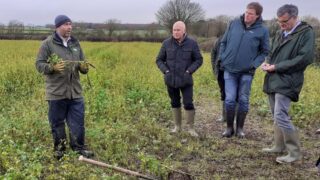
And it's not just our water supply, healthy soils and rivers also support food production and farming. Most of the land in UK is farmed or used for agriculture and many farmers own land along rivers and other waterways. The Rivers Trust champions more sustainable farming practices and supporting farmers to adapt their land so that it can hold water and slow the flow, protecting their business, and our food supply from the worst effects of climate change. Sustainable and regenerative processes improve or provide new habitats for nature
Healthy rivers also protect us from many of the impacts of climate change, including droughts and floods. In prolonged hot and dry weather, like we are experiencing today, rivers with a natural flow and wet habitats help to slow the flow and hold water in the landscape enabling nature and everything it supports more able to withstand low or no rainfall. This ability also comes in handy during periods of heavy rain, reducing flood risk and protecting communities.
How do we make our rivers fit for the future?
To make our rivers fit for the future, we first need to understand them. Every river and its catchment present a unique set of challenges and opportunities. We know things have gone wrong and that only one in three UK rivers and half of Irish rivers are in good health, but we don’t always know the detail, and sometimes we don’t have any information at all. Monitoring our rivers our rivers help track river health and identify issues.
Good data and evidence about rivers and their catchments go hand in hand with making rivers fit for the future. We have around 90,000km of rivers and streams in the UK so monitoring them all is a huge task! Citizen scientists are playing an important role. They are often the eyes on the ground, collecting data and tracking the health of rivers across the country. By working hand in hand with communities and those that manage our water system we’re improving data standards and helping decision-makers fill in the data gaps.
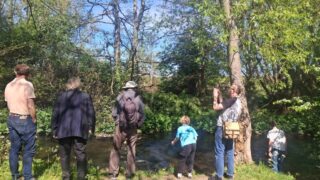
We’re very grateful for every citizen scientist who takes to the riverbank to monitor their local patch come rain or shine. We also know many citizen scientists get a lot in return from spending time in nature, observing the seasonal changes and connecting with nature along the water’s edge. You do not have to be a science expert or live in the countryside to get involved!
Why not take part in the next Big River Watch survey, starting on 18th September? All you need is a phone, a stretch of river you can access safely and around 15 minutes to fill out a simple survey. All the data collected during Big River Watch is helping us build a better picture of river health.
If you want to do more, many of our local Trusts have citizen science projects or river guardian schemes. Find your local Trust to explore opportunities near you.
We’re very grateful for every citizen scientist who takes to the riverbank to monitor their local patch come rain or shine. But you don’t need to don your wellies to help a river near you. There are easy changes we can all make in our daily lives to ease the pressure on rivers.
How we can all help our rivers
Creating healthier rivers takes action at every level. While landscape-scale solutions and policy changes are essential, the small actions we take every day can collectively make a real difference, especially during hot, dry weather when our waterways are under increased pressure.
There are plenty of ways that we can take care of our rivers from our own homes, from watching what goes down our drains to reducing our water footprint.
Love your drains
- Drains carry water, household waste, runoff from roads, driveways and our gardens. Everything they wash away could end up in a river near you. Keeping drains free from chemicals and blockages is good for rivers.
- Watch the unflushables. Everything apart from Pee, Poo, Paper is unflushable! Even products that market themselves a biodegradable and flushable should go in the bin and not be put down the toilet.
- Personal care and cleaning products. Many of the household products we use to wash ourselves and our houses contain chemicals which are harmful to aquatic life. Switching to natural products or those with less harsh chemicals is becoming easier and in some cases more affordable.
Learn how to buy water friendly products here.
Save water
In your home and garden, there are many ways we can save a little water. Every year we remind ourselves and others of the small things we can do to reduce our own use and support rivers fit for the future. From grey water filtering systems to fixtures and fittings in the bathroom and kitchen that help save water, and simple ways to capture and store water in our gardens. A water butt is one of the easiest things we can all do to capture rainwater. Water captured can be used to water plants or wash the car.
Water butts: in an ideal world we should all be issued a complimentary water butt! This is a super simple way to collect rainwater which you can then use to water your plants, wash your car.
Find more creative ways to save water around the home, garden, and even online, in one of blog posts here.
Supporting nature
Small actions can still make a big difference. Letting your lawn grow wild or even a small pot of wildflowers on a doorstep or windowsill will support pollinators and other insects. This all contributes to stronger and healthier ecosystems and rivers fit for the future.
How the Rivers Trust Movement works towards rivers fit for the future
It’s not all on you.
There’s a lot that needs to happen if we really want to have rivers that are fit for the future. It really will take all of us: business, industry, regulators, local councils and national governments.
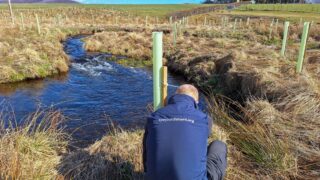
Our Movement of over 60 local Rivers Trusts deliver river and floodplain restoration projects, create habitats such as wetlands and woodlands, and engage local communities in protecting their waterways. Removing artificial barriers, including dams and weirs, can also improve river health by allowing fish and other wildlife to move freely through river systems and restoring more natural river processes. Read our latest Impact Report to see all their great work this year.
Healthy rivers help us keep fit too!
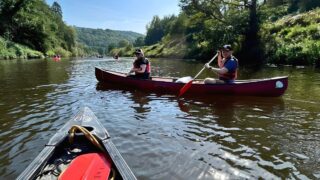
Having a clean and wiggly rivers full of wildlife is not just good for nature, it’s good for us too! Whether you want to contemplate the ebb and flow from the river’s edge, rod or book in hand, or paddle and play in cooling freshwater. Research shows that healthy blue spaces, such as rivers, lakes, and coastal areas, can improve community health by supporting mental wellbeing and encouraging social connection. Every year most Big River Watchers tell us that the river makes them feel calm, peaceful or relaxed.
Whether you choose to play a big part of a small part in making rivers fit for the future, rivers have shaped our landscapes and been a part of our human story since it began, their plight and ours are forever intertwined.
Thank you to the Amber River Foundation for helping us celebrate our 2026 theme, Rivers Fit for the Future, and for the continued support through our charity partnership.