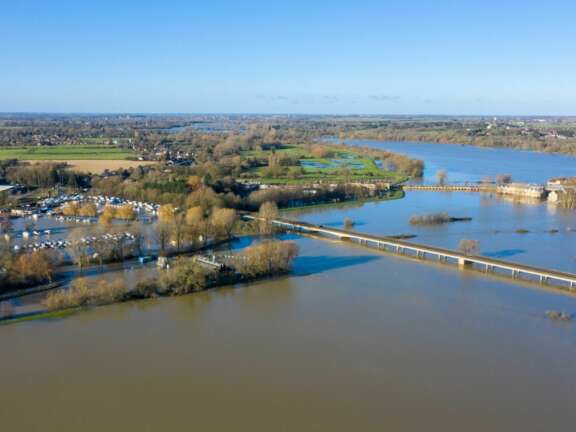
Impact Report 2025 – 26
The health and future of our rivers, and the work of The Rivers Trust Movement, have never been more important. Explore highlights from what we achieved over the past year towards our shared vision of wild, healthy, natural rivers, valued by all.
At a glance

Rivers enhanced/protected 2025-26
kilometres of rivers protected or enhanced

NFM 2025-26
natural flood management measures delivered

School children 2025-26
school children reached
Introduction
Over the past year, the plight of rivers across the UK and Ireland has been at the forefront of public conversation. From agricultural, industrial, and sewage pollution to severe droughts and floods exacerbated by climate change, rivers have had to put up with a lot. Just as our rivers need us to help them thrive, we need our rivers for our food, drink, prosperity and for our physical and mental health, which is why for over 20 years the Rivers Trust Movement has been tackling these problems - and 2025 was no different.
The Rivers Trust Movement consists of a network of 60+ independent organisations across the UK and Ireland united by our shared vision for wild, healthy, natural rivers valued by all. Each organisation boasts a team of dedicated river-conservation experts, who have the required skills, local knowledge, and community relationships to make a positive difference to their river catchments and the people and nature that depend on them.
Last year we continued our vital work as the trusted voice for rivers; we picked through the data, engaged with river-loving communities, and collaborated with like-minded organisations to build a greater understanding of the challenges rivers face and how to tackle them. Meanwhile, our advocacy work influencing Government policy on water policy reform, land use and development has led to stronger protections to safeguard river habitats, and we have worked directly with businesses to manage landscapes for water.
Our Impact Report highlights and celebrates the achievements of the Rivers Trust Movement in 2025-26 to demonstrate the progress we have made protecting and restoring waterways at local, regional, and national levels.
Want to find out exactly what we have been up to?
Dive into the latest statistics, case studies, and inspiring achievements from the past year.
A message from our CEO
Why our work is essential
The data is clear and reveals a stark situation: rivers are in crisis.
The majority of rivers in England (85%), Northern Ireland (nearly 70%), and Ireland (55%) fail to meet good ecological standards. The latest data available for Scottish rivers (2022) revealed nearly 43% did not meet good or better overall classification, whilst the figure for Welsh rivers (2021) lists 56% as failing.
Learn more in our State of our Rivers Report.
To change the story, we need to tackle the problems.
The list of challenges rivers face is long: broken water systems indiscriminately discharging sewage into rivers on a daily basis, a persistent presence of harmful ‘forever chemicals’ and microplastics, the choking effect of algal blooms exacerbated by fertiliser and animal waste run-off and a long history of artificial modifications that channel, divert, and squeeze our waterways so that they can’t store water or support wildlife - even blocking the migration of endangered fish.
Climate change continues to add pressure on an already-fragile situation: a higher frequency of extreme weather conditions, combined with land use and drainage that speed water off the land, lead to devastating droughts and floods that impact both nature and people. Indeed, drought was never far from the headlines last summer and tens of thousands of homes and businesses saw the taps run dry in Kent this spring.
We need people to fall in love with their rivers.
The Rivers Trust Movement works tirelessly to address these problems, but we can’t do it alone. It’s essential that people and communities connect with their rivers not just because it’s good for their wellbeing, but because it enables people to advocate for them. However, only 28% of households currently have access to substantial blue spaces close to their homes. The Rivers Trust Movment help connect these communities with their rivers, so that we can tackle the issues together.
Use our map to find your local Trust.
Read our report below to see how The Rivers Trust Movement are striding towards wild, healthy, natural rivers – one tree planted, policy strengthened, and river stretch re-wiggled at a time.
Our Impact: The headlines for 2025-26
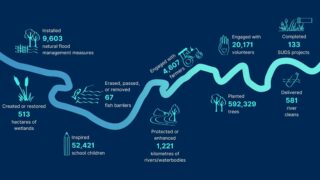
Working with Nature
In 2025-26, The Rivers Trust Movement achieved

Wetlands 2025-26
hectares of wetlands created or restored

Tree planting 2025-26
trees planted
NFM 2025-26
natural flood management measures delivered

Habitat created 2025-26
hectares of habitat created
The answer to restoring and regenerating nature can lie within nature itself. Nature-based solutions (NbS) include the planting of trees and hedgerows, or providing space for water with new wetlands, ponds, and re-naturalised rivers, and improving soil health – all key activities for the Rivers Trust Movement. By working with nature and restoring the natural functioning of our landscapes, we can revive catchments and improve their resilience as our climate changes. Nature-based solutions also provide an opportunity for people and nature to coexist and create new accessible green spaces for our communities.
Here’s how we’ve been implementing nature-based solutions across the UK and Ireland.
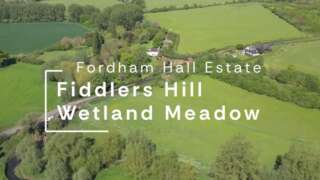
Fiddlers Hill Wetland Creation - Essex and Suffolk Rivers Trust
The Fiddlers Hill Meadow Wetland Creation project, on the Fordham Hall Estate near Colchester, has created a new five-hectare wetland within the floodplain of the River Colne. The project doubles the size of the existing fen, transforming an area of low-lying farmland into a functioning seasonal wetland system, providing long-term benefits for natural flood management, biodiversity and climate resilience.
Newly created wetland features are designed to store and filter water temporarily during periods of high rainfall. This reduces surface water runoff, traps sediment and nutrients before they reach local watercourses, improves overall catchment resilience, recharges aquifers, and reduces downstream flood risk. Habitat creation measures have also increased opportunities for wetland birds, amphibians, pollinators, and other aquatic wildlife.
By restoring natural hydrological processes rather than relying solely on engineered infrastructure, the Fiddlers Hill project provides a sustainable example of how land and water can be managed together for the benefit of both people and nature.
This was a collaborative project involving the Woodland Trust, Essex and Suffolk Rivers Trust, Environment Agency, Essex Wildlife Trust, and Essex County Council. Additional project funding has been provided by the Enovert Community Trust, Garfield Weston Foundation, Northumbrian Water Bluespaces and Anglian Water Get River Positive.
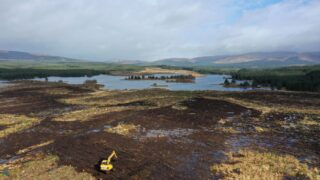
Forestry to bog - Galloway Rivers Trust
Galloway Rivers Trust (GRT) recently undertook 22.5ha of peatland restoration around Loch Moan in Dumfries and Galloway. Loch Moan is the source of the River Cree, which is an important river in Galloway for its freshwater fish populations including the very rare sparling.
GRT water quality research has shown that the headwaters of the River Cree around Loch Moan are very acidified. Acidification is a major problem in some of Galloway's upper catchments and is due to the extensive peatlands being historically drained for land use practices. Degraded peat leaches stored carbon into surrounding ecosystems, which can reduce the pH in a watercourse to lethal levels for fish. Peat staining also increases the cost and environmental impact of treating water for public consumption. This has led to the loss of Atlantic salmon within some of the most impacted areas. Peatland restoration is becoming one of the most important practices for reducing the impacts of acidified waters on sensitive fish populations, as well as for improving aquatic and terrestrial ecosystems as a whole.
In spring 2026, GRT undertook 22.5ha of forest-to-bog peatland restoration around Loch Moan, flipping the previously felled tree stumps and burying them into the furrows to ground smooth the site, blocking drains with peat dams, and using leftover brash and regenerating spruce trees to create winter refuges for reptiles. This site had some rich pockets of sphagnum moss, a key indicator species of a healthy bog, which were protected for use in future repopulation.
This project involved partnerships with Forestry and Land Scotland and Crichton Carbon Centre and was funded by SP Energy Networks as part of their Action for Nature plan. A local contractor was hired to support a small business and train a reliable operator for future projects.
Delivering Natural Flood Management at Hauxwell - Yorkshire Dales Rivers Trust
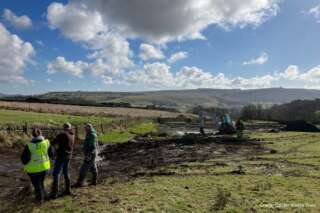
Two years in the making, a large-scale Natural Flood Management (NFM) scheme at Hauxwell Estate is demonstrating how nature-based solutions can reduce downstream flood risk while restoring lost habitat across the Hunton catchment.
Delivered by Yorkshire Dales Rivers Trust through the Ousewem programme, work started long before diggers arrived. Building trust with the landowner, shaping a shared vision, and navigating a changing farming landscape took time, and a dedicated project officer.
The project reversed years of drainage and straightened channels, which had sped water off the land, increasing flood risk downstream. 380 metres of Brompton Beck has been reshaped to follow a more natural course, reconnected to its floodplain and supported by a network of ponds, scrapes and wet features, including 50 bunded scrapes, that slow and store water across the landscape. Barriers to fish passage have been removed, and interventions across 9 hectares of farmland include new hedgerows, tree planting, and the removal of livestock.
Together, these changes help hold water back during heavy rainfall, reduce flow speeds, and spread storage across the land, helping to moderate downstream flood peaks. Once uniform, the site is now a rich patchwork of habitats: muddy margins, shallow and deep water, gravelly channels, and new hedgerows. It’s already buzzing with life. The newly created ponds were planted with species like flag iris, marsh marigold and bog bean. Lapwing, curlew, newts, water beetles and other invertebrates have also moved in. Excitingly, stonewort, a sensitive macroalgae that only thrives in clean water, has appeared naturally.
Hauxwell was delivered in partnership with the landowner, City of York Council, North Yorkshire Council, Natural England and JBA, and funded through Defra’s Flood and Coastal Resilience Innovation Programme.
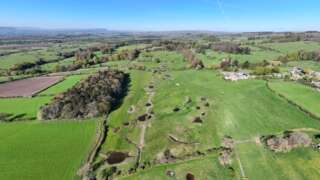
Resilient Rivers Monnow Project – Wye and Usk Foundation
Following severe flooding on the River Monnow, including major impacts in Monmouth and repeated damage in communities such as Skenfrith, Monmouthshire County Council is working with the Wye and Usk Foundation (WUF), Natural Resources Wales and Network Rail to develop the Resilient Rivers Monnow Project.
The project aims to reduce flood risk through nature-based solutions, including land use change and natural flood management measures that slow the flow of water before it reaches downstream communities. Increased winter rainfall and extreme weather events, including Storm Claudia, have highlighted growing pressure on existing flood defences and infrastructure.
Led by the Wye and Usk Foundation, the project combines hydrological modelling, field testing and direct engagement with landowners across the catchment. Advisors are working with farmers to identify opportunities to improve soil water storage, reduce run-off and restore natural river processes.
A key part of the project is the development of the Resilient Rivers Monnow Market, an innovative funding model that would allow downstream businesses and infrastructure operators to pool resources to “buy” flood resilience for their assets. The approach aims to provide long term funding for farmers to “farm for water” while reducing flood impacts downstream.
The project is currently in its feasibility phase, with delivery planned from 2026 onwards.
Restoring Rivers
In 2025-26, The Rivers Trust Movement achieved

Barriers removed 2025-26
fish barriers eased, passed, or removed
Rivers enhanced/protected 2025-26
kilometres of rivers protected or enhanced

River cleans 2025-26
river cleans delivered
Our rivers are deeply rooted in our urban and rural heritage. As such, for the benefit of historical industrial and agricultural activities, they have been rerouted, channelled, culverted, diverted, dammed, and in some cases buried completely. The ecological cost of this is now better understood: reduced capacity for flood and drought resilience, huge biodiversity losses, blocked routes for iconic migratory fish species, and a disconnect with nature in our communities.
Rivers are coming back to life thanks to our concerted efforts to restore the natural processes of our rivers. Removing barriers, reconnecting rivers to floodplains, and creating natural embankments allows space for rivers, nature, and wildlife. Here's how the Movement is restoring the harm done.
River Mease restoration - Trent Rivers Trust
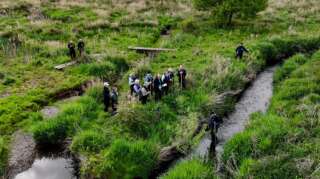
The River Mease rises in Leicestershire, flowing through a catchment dominated by agricultural land, and into the Trent at Croxall, like many lowland UK rivers, it has suffered habitat loss, flooding, low flows and pollution, particularly phosphate.
The River Mease Catchment project has focused on creating space for water and supporting nature recovery. In 13 years, the project has restored 16.5km of river and created 25 hectares of new habitat (with 780m and 2.7ha respectively achieved in 2025-6), restoring natural flows and holding water in the catchment. Silt traps, wetlands, and buffer strips capture diffuse pollution, and bunds, leaky barriers, swales and ponds provide natural flood management benefits. Over 100 farmers have been engaged and involved, covering 52% of the catchment.
An active volunteer group manages 12km of the Mease, controlling invasive Himalayan Balsam and conducting riverfly surveys, funded by Severn Trent Water, showing positive changes in species composition.
The work has been supported and funded by a combination of Environment Agency, Local Authority and Leicestershire County Council funding, led by the Trent Rivers Trust. In March 2026, the project won the Nigel Holmes trophy at the River Restoration Centre Conference.
River restoration on the Evenlode - Cotswolds Rivers Trust
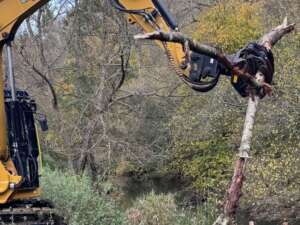
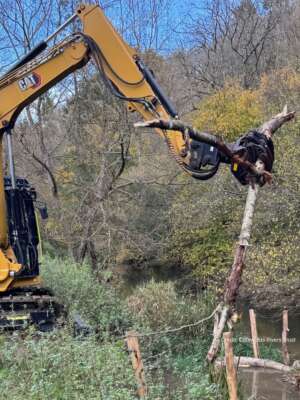
In November 2025, the Cotswolds Rivers Trust partnered with the Blenheim Estate to restore just over one kilometre of the River Evenlode in Oxfordshire. The project focused on using in-channel nature-based solutions to restore flow diversity and habitat complexity to an overly straightened section of river.
Natural river processes were introduced with the installation of large woody flow deflectors, berm creation, and the hinging of bankside willow trees into the channel. During lower flows, these features help concentrate and diversify the movement of water, creating cleaner gravels, varied flow patterns, and more dynamic habitats to the benefit of a range of species. In higher flows, the structures help slow the movement of water and encourage it to spill more readily onto the floodplain, reconnecting the river with its surrounding landscape.
The site will be monitored over the coming years, with repeat photography and ongoing observations helping to demonstrate how the river responds and evolves through natural processes. This project would not have been possible without the support and collaboration of the landowner. Encouragingly, the early success of the work has already led to plans for a further 800m of restoration interventions along the river this year.
Culvert mitigation in South Wales - South East Wales Rivers Trust
South East Wales Rivers Trust (SEWRT) works across the most urban part of Wales, where steep, narrow valleys are intersected by many road and railway river crossings. Many of these are culverts which significantly restrict the movement of fish and mammals that live along the river.
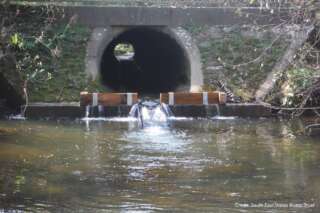
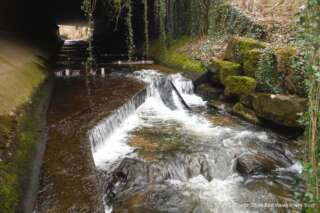
With funding from Natural Resources Wales and local nature partnerships, SEWRT has been developing and testing techniques to improve these culverts, from traditional approaches such as timber baffles and blockstone pre-barrages, to more innovative systems developed in New Zealand by ATS.
For example, along the A48 in Cardiff, a 64m long corrugated steel culvert discharges into the River Rhymney via a raised (perched) outfall slab. To address this, flex baffles were installed along the culvert floor, and a floating fish ramp was added. As this section of the Rhymney is tidal, water levels and the perching height are constantly changing, making a flexible solution essential.
At the A4119 in Thomastown, an 81m long trapezoidal concrete culvert on the River Ely was mitigated using timber baffles and a floating fish ramp. Given the busy road above, a mammal ledge was fitted to provide a safe passage route for animals such as otters, during higher flows. Additionally, a pair of dipper boxes were fitted under the ledge to create nesting opportunities.
In the future, SEWRT plan to work with the UK Roadkill Research Unit based at Cardiff University and the South Wales Otter Trust to identify the worst culverts for mammal deaths and plan future interventions.
Harehope Restoration project - Tweed Forum
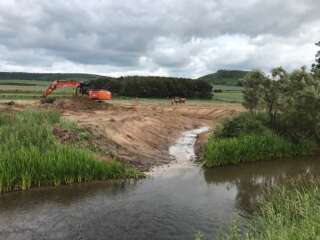
During the very dry 2025 summer, Tweed Forum delivered the Harehope River restoration project, one of the largest and most ambitious projects of its kind, developed over a ten-year period as part of the River Till Restoration Strategy. The project, funded by LIFE WADER and the Environment Agency, aimed to restore a 1.5km stretch of the River Breamish which had been historically straightened and intensively managed over the past 300 years.
Breakthroughs in the existing floodbanks, created when the river was straightened, were needed to allow the river to reconnect with its floodplain and follow its previous alignment. Detailed survey work using LiDAR technology identified the paleochannels in the floodplain and these were cross referenced against historic mapping from the 1600s to identify the river’s former path, allowing Ebsford Environmental to enhance 500m of existing river channel and create 700m of new channel across the floodplain.
Two large leaky timber dam structures have also been constructed, using timber sourced from the estate, to raise the water and bed level in the existing channel and push water out on to the floodplain and into the new river channels. Large timber has also been installed in the new channel to add diversity and speed up natural processes.
To capture and store water on the floodplain, overland water flows have been intercepted and directed into a new swale, excavated along with series of silt traps, which creates new areas of wetland, traps silt and agricultural runoff before flowing into the new river channel. Six large multi-level floodplain scrapes have also been excavated, providing natural flood management benefits, roughening the floodplain and creating new wetland habitat in a boost for biodiversity.
Pre-works baseline monitoring of sediment levels, as well as capturing data on flows and water quality was undertaken, and post-works monitoring is underway with the University of Newcastle and the Environment Agency.
Engaging communities
In 2025-26, The Rivers Trust Movement achieved
School children 2025-26
school children reached

Volunteers 2025-26
volunteers engaged

Farmers engaged 2025-26
farmers engaged across the UK & Ireland
Communities care about their rivers. They are vital for clean water, they support our physical and mental health, and they provide access to nature and leisure. However, approximately one in five households in England still do not have access to green and blue spaces within a short distance from their homes – so, it’s important we engage with these communities and find ways to bring people closer to their rivers and waterways.
Our Movement speaks to concerned residents and support farmers and business owners who rely on the rivers on their land. We work tirelessly to inspire the next generation of river conservationists and campaigners by delivering sessions to school children. And we help nature-deprived communities to reconnect with nature.
Engaging with communities empowers more people to take action: volunteers take part in activities like litter-picks, tree-planting, invasive species control, and citizen science campaigns.
Greener Grounds - West Cumbria Rivers Trust
Greener Grounds began with a challenge: how to turn an inspiring national education scheme into something practical for schools facing barriers to participation – something schools were enthusiastic about but struggled to deliver without funding.
The programme transforms school grounds into biodiverse, flood-resilient outdoor spaces. Pupils are involved from the very beginning, surveying their grounds, developing ideas and learning about water, wildlife and climate adaptation as they help design their new outdoor environments.
With funding from Sellafield SIX – Social Impact Multiplied programme, and the Species Survival Fund, West Cumbria Rivers Trust developed and delivered Greener Grounds across eight West Cumbrian schools.
Using local, low-carbon materials and with support from teachers, pupils, families, local craftspeople, contractors, garden centres and volunteers, the project delivered significant environmental improvements. Including; 95m² of astroturf replaced with real turf, nine wildlife ponds, over 140 metres of native hedgerow, extensive habitat creations for pollinators and other wildlife, water butts in every school, and sustainable drainage measures designed to slow and manage rainfall. Additionally, each school received equipment and a bespoke management plan with curriculum-linked resources.
Greener Grounds proves that with the right support, schools can be at the heart of local climate action while creating healthier, greener and more inspiring places for children to learn and thrive.
“Working with West Cumbria Rivers Trust has been truly transformational for our school. We have been able to tackle big projects that would have been impossible without their support. The children have loved being able to help plan and implement so much of the work themselves with the support of the fantastic team at WCRT. It has greatly benefited their wellbeing and sense of ownership of the school grounds and also brought many areas of the curriculum to life for them.”
– Alisha Siddle, St Begh’s Catholic Primary School
Loughans Community Stewardship Project – Nore Vision
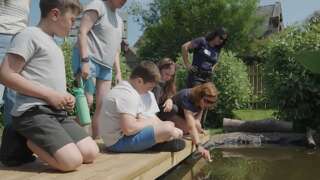
The Loughans Community Stewardship Project, led by Nore Vision in partnership with Cabragh Wetlands, delivered a programme of education, engagement and planning activities o increase awareness and long-term stewardship of the Loughans Special Area of Conservation (SAC) in north Kilkenny. The Loughans is the largest and highest turlough in the southeast of Ireland and an important, protected wetland habitat.
Supported by the NPWS Natura Fund, the project worked closely with local schools and communities to improve understanding of the site’s ecology, hydrology and cultural importance. A learning programme was delivered to pupils from Urlingford, Johnstown and Crosspatrick primary schools, combining classroom sessions with field visits to Cabragh Wetlands. In total, 12 workshops engaged 86 children, introducing them to the responsibilities involved in protecting a designated SAC.
A knowledge exchange event brought together 18 stakeholders to share perspectives on the future management and protection of the Loughans. The project also developed an Interpretation Plan focused on themes including water, ecology, landscape and local heritage, creating a framework for future education and engagement activities. A seasonal film documenting the Loughans is in production to support ongoing community involvement with the site.
River Rapping – North Wales Rivers Trust
As part of North Wales Rivers Trust’s Esmée Fairbairn Blue Spaces programme, North Wales Rivers Trust delivered the River Rapping: Finding a Voice for the Afon Cegin project with young people from the Maesgeirchen estate in Bangor. Using music, spoken word, and creative expression as a vehicle for environmental engagement, the project aimed to reconnect young people with their local river while exploring wider themes around river rights, pollution, identity, and community voice.
Working alongside local rap artist Owen Maclen, participants took part in kick sampling sessions, river clean-ups, creative writing workshops, and rap recording sessions inspired by the Afon Cegin and the surrounding catchment. Over a 6-month period, 36 pupils participated in the workshops, building confidence, environmental awareness, and a stronger connection to the river running through their community.
The project forms part of North Wales Rivers Trust’s wider source-to-sea work on the Afon Cegin, focused on improving river health, empowering local communities, and creating new ways for people to engage with freshwater environments beyond traditional conservation approaches.
Working with data
In 2025-26, The Rivers Trust Movement achieved

Big River Watch Surveys 2025
Big River Watch surveys were submitted

Big River Watchers 2025
people took part in a Big River Watch

Sewage spills England Wales 2025
sewage spills added to our Sewage Map 2025 summary for (England & Wales)
The Rivers Trust’s work is evidence-led, which allows us to concentrate our conservation efforts on areas that will receive the maximum benefit. Collecting, analysing, and sharing robust data through citizen science and open-access databases helps build a better picture of the state of our rivers and empowers communities, NGOs, and Government organisations, to protect and restore waterways.
We collect and analyse data in innovative ways; our citizen science initiative, the Big River Watch helps build a clearer picture of river health and engages communities across the UK and Ireland. Our Sewage Map remains an important tool for the public to check the cleanliness of their rivers by viewing the data on sewage spill frequency as well as offering near-real time alerts. Additionally, we host dozens of vital datasets on our Catchment Based Approach Data Hub to bolster our data-sharing efforts for organisations and partnerships that deliver integrated catchment management across England.
Read on to find out how The Rivers Trust Movement worked with data to inform and support action that protects and restores our rivers.
Citizen science in eutrophication assessments - Ribble Rivers Trust
For years the Environment Agency (EA) have used a Weight of Evidence (WoE) tool – which considers multiple strands of evidence to draw conclusions – to assess where rivers are suffering from eutrophication (excessive nutrients), how confident they are in that assessment, and to guide where further evidence or action is needed. That tool has solely considered the EA’s own data – until now.
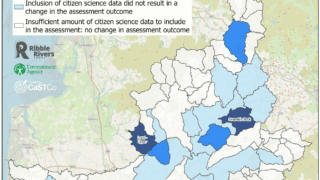
Using citizen science data collected in the Ribble catchment, a collaboration between the EA, CaSTCo and Ribble Rivers Trust has successfully illustrated that citizen science can be used as credible evidence alongside EA monitoring to build a more complete picture of river health, and lead to greater confidence in water quality assessments. The incorporation of citizen science data into the Eutrophication WoE tool resulted in a change in the certainty regarding whether eutrophication is an issue or not in 11% of waterbody catchments in the Ribble. This included an increase in the certainty that there is an issue in both the Upper Loud and Swanside Beck catchments, which better reflects local knowledge.
Given the EA use the outputs of the Eutrophication WoE tool to inform their own agricultural advice, and water company investment through the Water Industry National Environment Programme (WINEP) and Asset Management Plan cycles (AMP), this work demonstrates how collaborative monitoring between agencies, NGOs, and volunteers can guide smarter investment, target actions and advice, and lead to improvements to river health where they’re needed most.
Real-time data driving real action: How citizen scientists are restoring the River Wensum - Norfolk Rivers Trust
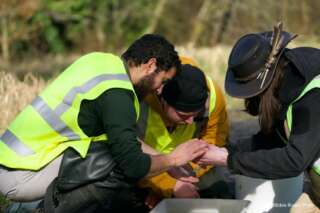
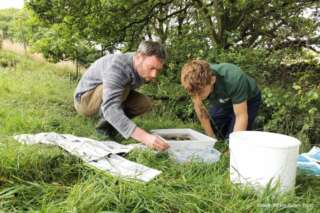
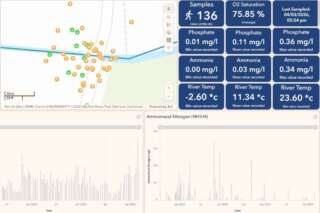
Wensum Water Quality Testing Programme is run by Norfolk Rivers Trust (NRT) A team of trained volunteers collect weekly water samples along 71 km of the River Wensum Site of Special Scientific Interest (SSSI) and its tributaries. Using simple, standardised tools, they gather vital information on nutrients, water temperature, dissolved oxygen levels and more.
Their efforts provide valuable insight into the health of the River Wensum and build a dataset that helps identify effective restoration measures and tackle pollution. This data has now enabled NRT to build a public data dashboard where anyone can explore real-time water quality information, understand the results, and see how conditions change over time.
This marks a significant milestone in bridging the gap between science and communities, while bringing us one step closer to better understanding what goes on beneath the surface of one of Norfolk’s most recognisable rivers, and working collectively to address the challenges it faces.
The Wensum Data Dashboard was created in partnership with the Wensum Catchment Partnership, which includes the Environment Agency and Anglian Water. The data collected since 2022 was funded through CaSTCo (the Catchment Systems Thinking Cooperative).
“It's a fulfilling way to make a positive impact on your local environment. You get to contribute valuable data that supports the health of our rivers and supports real scientific research.”
– Citizen Scientist
Operation Outfall: Oak Beck and Bilton Beck 2025 - Yorkshire Dales Rivers Trust
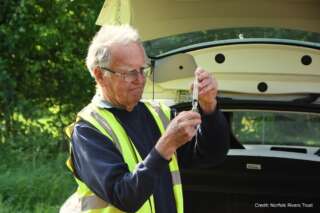
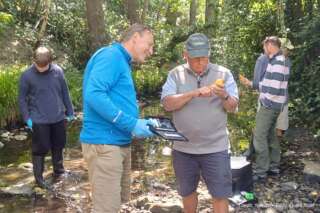
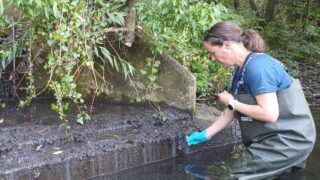
Yorkshire Dales Rivers Trust worked with a team of 16 trained volunteers to deliver Outfall Safari surveys across Oak Beck and Bilton Beck in Harrogate, designed to identify and report pipes that discharge pollution into urban rivers, and pursue solutions. aiming to identify, diagnose, and seek solutions for pollution caused by drainage pipes in rivers. Working alongside Yorkshire Water and the Environment Agency, volunteers acted as citizen scientists, collecting vital evidence to better understand the impact of misconnections and polluted drainage systems on river health.
Volunteers surveyed 64 outfalls and recorded visible signs of pollution including sewage fungus, foul odours, and sanitary waste. Using a mobile app, they mapped outfalls, photographed evidence, and scored pollution severity and downstream impact.
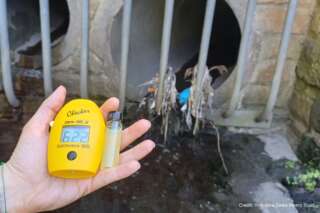
The survey identified 29 actively polluting outfalls, including 11 classified as high-risk major polluters, with elevated phosphate and ammonia levels at several locations. Cow Dyke Beck was identified as the most polluted catchment surveyed.
The surveys resulted in all polluting outfalls being reported to Yorkshire Water and the Environment Agency for further investigation. Yorkshire Water has since identified and rectified several misconnections across Harrogate.
Building on the project’s success, Yorkshire Dales Rivers Trust plans to launch an “Adopt an Outfall” initiative and expand Outfall Safari surveys to Crimple Beck in 2026.
Read the full Operation Outfall: Oak Beck and Bilton Beck 2025 project report.
Working with businesses
To maximise our impact, we work with businesses who share our goal to deliver sustainable solutions for water through our corporate partnership and corporate supporter programmes.
Our Water Stewardship Service continues to help businesses demonstrate leadership by investing in nature and building climate resilience. Last year we expanded this service to Ireland, helping deliver real change at scale.
The demand on freshwater environments continues to grow and it is essential that we work together to reduce the pressure on our rivers and waterways. Learn how The Rivers Trust and our corporate partners have collaborated to help rivers thrive.
Working with business for a resilient catchment – Calder Rivers Trust
In West Yorkshire, Coca-Cola Europacific Partners’ (CCEP) bottling plant is looking to ensure the security of its operational water supply by investing in on-farm wetlands that store and treat water in the Calder catchment. Working at a farm scale to identify water pressures and opportunities. Calder Rivers Trust (CCRT) works with a range of funding opportunities to support land managers deliver changes, such as nature-based solutions, that deliver benefits for water, the environment and wider society, like flood and drought alleviation
Much of the catchment is grazed and has been artificially drained to improve grassland grazing productivity. These land drains accelerate water export, increasing downstream flood risk, and reducing drought resilience. CCRT takes a catchment-based approach to water stewardship by working with farmers across the Calder, Colne and Holme, and in 2025, CCRT, with support from The Coca-Cola Company and CCEP, completed construction of new ponds and wetlands at three sites in the catchment.
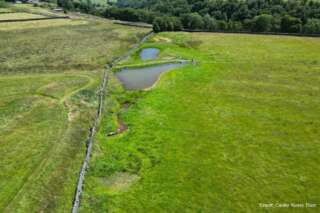
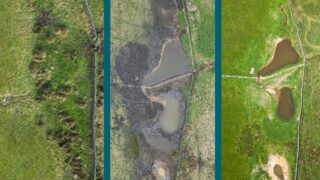
This series of ponds and wetlands, on farmland in the upper Calder valley, were created by removing redundant land drains, bringing water to the surface and reinstating a more natural hydrology. These interventions reconnect water flowing through land drains and culverted streams to groundwater and the subsurface water cycle. In the short term, this provides natural flood resilience and the creation of wetland habitat. Longer term, this will support groundwater recharge, future water availability, and drought resilience.
Rethinking traditional approaches to managing water are key to a resilient Calder catchment. Delivering this change through water stewardship is part of CRT’s catchment-based approach.
The River Within Partnership - Chivas Brothers and three Rivers Trusts
The River Within partnership brings together Scotch whisky company Chivas Brothers, (maker of Ballantine’s, The Glenlivet and Chivas Regal), with three Rivers Trusts: the Findhorn, Nairn and Lossie Rivers Trust (FNLRT), the Spey Catchment Initiative, and the Deveron, Bogie and Isla Rivers Charitable Trust.
Chivas Brothers has a long-established business commitment to sustainability, and a culture shaped by deep connections to local landscapes. The River Within partnership is an example of how shared ambition for “cold, clean water” and increasing climate resilience can enable multi-catchment, long-term collaboration and funding – helping projects like this one become more common across these landscapes. Here’s what was achieved in 2025-26:
Mazeran Burn riparian woodland restoration - Findhorn, Nairn and Lossie Rivers Trust (FNLRT)
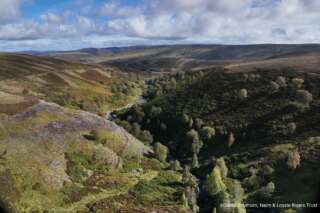
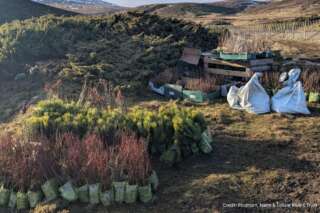
The Mazeran Burn, an important wild Atlantic salmon spawning tributary of the River Findhorn, flows through a rare remnant ancient birch woodland that is both ecologically significant and in decline.
Through the River Within partnership, FNLRT delivered a 17-hectare riparian woodland creation scheme in March 2026. The project included deer fencing and the planting of 9,750 native trees to support river cooling, bank stabilisation, groundwater regeneration, and improved habitat connectivity.
A further 26-hectare restoration scheme upstream, protecting a vital climate adapted seed source, is planned for autumn 2026. Together, these neighbouring projects will strengthen a unique habitat and contribute to a healthier, more resilient catchment.
Putting down roots: funding farming partnerships in the Spey catchment - Spey Catchment Initiative
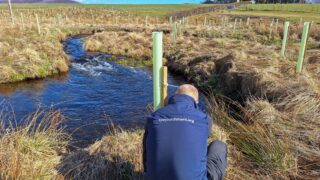
As the River Spey warms, increasing pressure is placed on wildlife, communities and businesses that depend on cold, clean water. Through the River Within partnership, funding has supported both project delivery and the time needed to build trusted relationships with farmers and develop practical restoration schemes that work for both rivers and agriculture.
Over the last year 6,000 native trees were planted across 3.1 hectares on the Dorback Burn, a native tree corridor was designed around an upland farming tenancy on the Crombie Burn, and fencing and alternative livestock watering was installed on the upper Spey, alongside riparian tree planting.
Two further projects at Gaskbeg and Lower Crombie will add another 9,000 trees in 2026. Working across five farms in different parts of the catchment, the initiative is helping build long term partnerships that show farming and conservation can thrive together.
After 150 years, a river is reconnected - Deveron, Bogie and Isla Rivers Charitable Trust
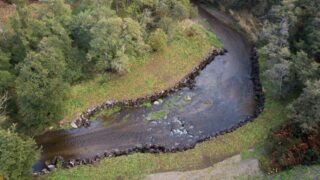
A major habitat restoration project led by the Deveron, Bogie and Isla Rivers Charitable Trust and the Atlantic Salmon Trust has reopened over 11km of habitat on the River Deveron catchment for the first time in 150 years.
Supported through the River Within partnership and the European Open Rivers Programme, the overgrown and deteriorating Mill of Eden weir on the King Edward tributary was removed, restoring access for Atlantic salmon, trout, eels, and other wildlife.
The restored river channel and banks were re-naturalised using locally sourced windblown trees, with nine additional woody structures installed downstream to help reinstate natural river processes and improve habitat diversity. Around 800 trees were also planted to provide shade, cool the water and increase climate resilience.
Campaigns and advocacy
In 2025-26, The Rivers Trust achieved

Petition Signatures 2025
petition signatures

No 10. letter 2025-26
letter hand-delivered to the Prime Minister
Consultation Responses 2025
Westminster Government consultation responses and calls for evidence submitted
Directly restoring rivers on the ground is just one part of our story. We are also a leading voice on river issues, trusted by decision-makers to advise on and respond to water-related policy.
Our advocacy team has pushed for better protections for our rivers: from a range of policy updates such as the new Land Use Framework, to consulting on wider water reform through the anticipated Clean Water Bill - we have been ensuring the UK and Ireland maintain their environmental commitments.
Here are some of the ways that we have consulted and responded in a fast-moving political landscape to protect our rivers.
Making Space for Water: Making the case for connected, thriving river corridors - The Riverscapes Partnership
Joining forces with National Trust, Woodland Trust and Beaver Trust (under the Riverscapes Partnership), The Rivers Trust launched a new advocacy campaign seeking support for farmers and landowners to create healthy, nature-rich corridors alongside their waterways. Also sometimes called buffers, these zones create habitat, help to alleviate flooding and drought, and reduce pollution reaching rivers.
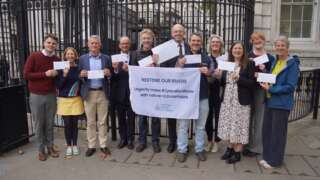
To begin engaging politicians, we held a launch event for Making Space for Water at the Houses of Parliament, at which Emma Hardy MP (Minister for Water and Flooding) delivered a speech, and Lloyd Hatton MP shared a letter from the Prime Minister. Our public petition opened the same day, calling for signatories to stand behind our ask – that the Westminster government provide accessible, useful funding schemes to allow farmers and landowners to make space for water alongside rivers. It received the required 10,000 signatures, triggering a positive government response and offered a springboard for a debate in parliament on protecting and restoring rivers.
The partnership also hand-delivered a letter to the Prime Minister signed by cross-party MPs calling for campaign support, held meetings with No. 10 special advisers, and hosted a panel discussing how restoring rivers in this way can revive landscapes and protect communities at the Labour Party Conference.
Shaping water reform for healthy rivers – The Rivers Trust
The Rivers Trust has played a leading role in shaping the multiple governments’ emerging water reform agendas, ensuring rivers, communities, and catchments are reflected in national policy throughout the UK & Ireland. Through sustained advocacy and evidence-based submissions to the Independent Water Commission, also known as the Cunliffe Review, The Rivers Trust has helped influence a more integrated, locally empowered, and data driven approach to water management.
Progress tackling river issues has often been inconsistent due to a “missing middle” between national regulation and local delivery, limiting coordination and underusing local expertise.
Working closely with partners across the sector, we champion practical, scalable solutions grounded in the Catchment Based Approach (CaBA). Our engagement with the Cunliffe Review focused on three core priorities:
- Regional Governance: Advocating for regional governance to bridge national strategy and local action, enabling coordinated decision-making and funding-streams at the catchment and regional scale.
- A Unified Monitoring Framework: Promoting a more integrated approach to data—bringing together regulatory monitoring and citizen science. Through initiatives such as CaSTCo, the UK’s first national framework for monitoring, we demonstrated how community-collected data can complement formal datasets to improve understanding, transparency and responsiveness.
- Strengthening Catchment Partnerships (CaBA): Making the case for sustained investment, clearer roles and long-term support for Catchment Partnerships as the delivery mechanism for integrated water management.
Key recommendations were reflected in the Commission’s findings, including recognition of regional coordination, stronger backing for Catchment Partnerships and integration of citizen science into national monitoring. These recommendations are now being turned into Government action. The Government’s Water White Paper echoes the need for regional coordination, enhanced catchment delivery, and the better use of data that The Rivers Trust has been calling for. Defra is now actively developing these frameworks, working in co-design with stakeholders, including The Rivers Trust and the wider CaBA network.
This marks an important transition from advocacy to implementation – with catchment-based working increasingly embedded at the heart of reform.
Looking Ahead: Clean Water Bill - The Rivers Trust
Momentum is now building towards the upcoming Clean Water Bill, presenting a once-in-a-generation opportunity to embed a truly systemic approach to river recovery.
The Rivers Trust is continuing to advocate for:
- A whole-catchment, systems approach that tackles all pressures – water quality, quantity, physical structure, biodiversity and climate resilience, funded by all polluters and beneficiaries.
- Linking national direction with regional planning alongside long-term investment in catchment partnerships and local delivery capacity.
- A fully integrated monitoring system, combining top-down regulation with bottom-up citizen science and a move to more open data. Through persistent advocacy and partnership, The Rivers Trust has helped move water reform towards a more joined-up, locally empowered and evidence-led future. By embedding the Catchment Based Approach and strengthening governance, funding and data integration, we are laying the foundations for resilient catchments and rivers fit for the future.
Advocacy in Ireland & Northern Ireland - The Rivers Trust
The All‑Ireland team demonstrated strong and consistent advocacy throughout the 2025–26 Significant Water Management Issues (SWMI) process across both Ireland and Northern Ireland. In both countries, engagement began at the pre‑consultation stage, where the team actively participated in workshops and stakeholder discussions, ensuring that community perspectives and catchment‑level insights were reflected in the early identification of key water management challenges. This early engagement strengthened the evidence base and highlighted the importance of inclusive approaches to water policy.
Alongside this, the team contributed to wider policy influence through participation in key sectoral fora, including involvement in the Northern Ireland Freshwater Task Force (FwTF) and ongoing engagement with An Fóram Uisce (AFU) in Ireland as representatives of the Rivers Trust movement. Through the FwTF, The Rivers Trust contributed to numerous consultation responses, including to the Fisheries and Water Environment Bill; as well as supporting the Step Up for Clean Water campaign. Through AFU committee and plenary meetings, the team contributed to discussions on community catchment initiatives, coastal and transitional water quality, and the implementation of the River Basin Management Plan.
A golden thread through our advocacy work has been to emphasis the need for coordinated, cross‑border approaches, stronger accountability, and investment in practical measures to improve water quality. This combined approach ensured that community voices were effectively embedded in shaping future water policy across the island of Ireland.
Memorable Moments
Take a look at some of our standout highlights from the last year.
Making Space for Water goes to Parliament
June 2025
We took the campaign to parliament, speaking to MPs about the important role of government in creating nature-rich riparian corridors.
Our sewage map got an upgrade
July 2025
We added near-real time data for sewage spills in Scotland and updated the amber alerts to cover the last 48 hours, helping people decide when it is safe to swim and paddle.
Rambling About Rivers returns
July 2025
The first episode of a brand-new series of our Rambling About Rivers Podcast was published. Available on Spotify and Apple Podcasts.
Water vole reintroduction
August 2025
We joined South East Rivers Trust for a historic reintroduction of water voles at the Chamber Mead Wetlands in Surrey.
Salmon run
September 2025
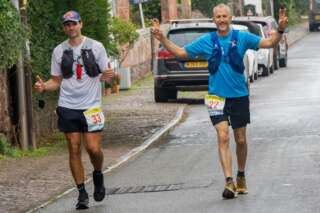
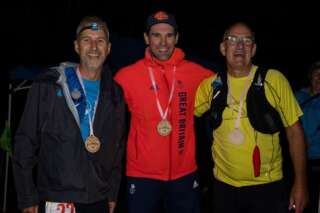
Our CEO Mark Lloyd and Team GB Olympic rower Graeme Thomas took on the 43-mile Salmon Run ultramarathon.
Making Space for Water at Number 10
October 2025
Alongside our Riverscapes partners, we hand-delivered a Making Space for Water letter to the Prime Minister.
The Rubbish Raft adventure
November 2025
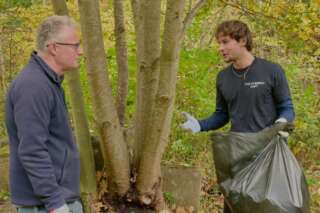
Raphael Holt collects rubbish from the banks of the River Mersey to build a raft and sail it down the river, raising awareness and funds for The Rivers Trust.
Christmas Big Give Challenge
December 2025
Thanks to the incredible generosity of our supporters, we hit our £80,000 Big Give Christmas Challenge.
Petition goal reached
December 2025
The Making Space for Water petition achieved the 10,000 signatures required for the Westminster Government to respond regarding funding for river corridor projects.
Rowing for Rivers
December 2025
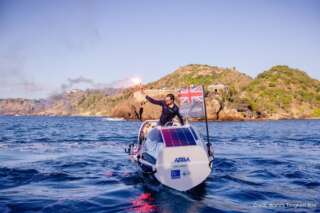
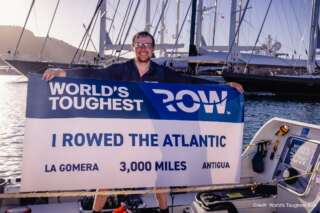
Data scientist and rower Jake Still sets off on his monumental challenge of rowing solo across the Atlantic, undertaking the World's Toughest Row, while raising money for The Rivers Trust.
An OBE for our President
January 2026
We were delighted to see Jonathan White, president of The Rivers Trust, recognised with an OBE for river conservation.
We demand Clean Water Now
March 2026
We joined MPs and colleagues across the environment sector to launch the Clean Water Now asks, making it clear to government what we need to see in the new Water Bill.
Will Millard joins The Rivers Trust
March 2026
Author, broadcaster, and angler Will Millard comes on board as a new Rivers Trust ambassador.
Lara Maiklem joins The Rivers Tust
April 2026
Mudlark treasure hunter and best-selling author Lara Maiklem joins as our latest ambassador.
Our biggest spring Big River Watch yet!
April 2026
Over the course of a week, 5,538 people became citizen scientists, connected with a river, and together submitted 2,397 surveys, making April 2026 our biggest spiring Big River Watch so far.
Support our rivers
Our Impact Report captures just a snapshot of the fantastic work delivered by our Movement over the past year. We are proud to celebrate the efforts of all the staff and volunteers who dedicate their time and passion to protecting and restoring the precious rivers across the UK and Ireland, to the benefit of the environment, nature, and communities.
The year ahead is far from quiet – packed with opportunities to fight for our vision of wild, healthy, natural rivers, valued by all. From developing our current projects to capitilising on once-in-a-generation opportunities to influence water policy and developing new partnerships and solutions to restoring our vital rivers.
We continue to monitor government policies and advocate for stronger protection for rivers and a greater emphasis on a catchment-wide, nature-first approach to tackling the climate and biodiversity crises.
And you can help! Keep reading to find out how you can get involved and be part of the Movement fighting for our rivers.
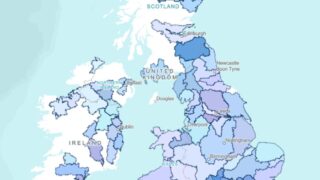
Find your local Trust
The Rivers Trust Movement consists of a network of over 60 independent organisations across the UK and Ireland. Use our interactive map to find the Trust delivering improvements in your area, explore the challenges affecting your local waterways, and discover the projects addressing them. You can also find volunteering opportunities near you and get involved in supporting your local rivers.
Donate time, sweat, and funds
Fancy taking on a challenge or adventure in the name of our rivers? Support our work presenting the national view across the UK and Ireland by fundraising for The Rivers Trust. We love to see impressive river-themed activities, from ambitious paddleboard or kayak challenges to remarkable swims, but absolutely anything goes, big or small, it is completely up to you.
Want some inspiration? Some fantastic fundraising adventures were had last year:
- The Rubbish Raft: Adventurer and filmmaker Raphael Holt built a raft out of the rubbish he found on the banks of the River Mersey and sailed it down the river.
- Rowing for rivers: Data scientist and rower Jake Still took on the monumental challenge of rowing solo across the Atlantic, completing the 3,000-mile 'World's Toughest Row'.
- The Salmon Run: Our CEO Mark Lloyd joined his brother and Team GB Olympic Rower Graeham Thomas to undertake a 43-mile ultramarathon along the River Exe.
Whatever your adventure, all you need to do is create a JustGiving fundraising page and share it far and wide. Get in touch if you would like any support, for example with publicity. Visit our JustGiving site.
Support our work
You don't have to cross an ocean or run an ultramarathon to help our rivers. If you share our vision for wild, healthy, natural rivers, valued by all, you can help us make it a reality by donating. Your generosity will be used to support vital work across the UK and Ireland to restore our rivers.
Partner with us
Through partnerships we can help businesses become good water stewards by replenishing their water footprint, supporting supply chains to adopt regenerative agricultural practices, building nature-based solutions, planting the right trees in the right places and facilitating collaborative action to help build resilience to both the climate and nature crises.
Keep up to date
We regularly share the best ways to protect our rivers - whether that's by joining a litter pick, training in citizen science, signing a petition, or writing to your local MP.
Make sure you’re in the know by signing up to our newsletter and following us on social media @theriverstrust across all platforms, including Instagram, Facebook, and LinkedIn.
Thank you to our funders
The Rivers Trust is an independent environmental charity, we rely on funding from a number of sources to enable us to represent and support the members of the Rivers Trust Movement. This diversity of funding allows us to present an independent voice and provides us with financial resilience in a rapidly changing world.
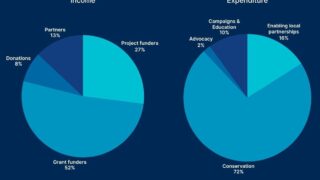
We are proud to work with all of our funders and partners and on behalf of our staff, members, and the rivers that we protect and restore, we would like to thank them all for the impact that we drive between us.
With grateful thanks to all of our generous funding supporters:
Our Fellows
Grantmaking Organisations:
- Garfield Weston Foundation
- Esmée Fairbairn Foundation
- Allan & Gill Gray Philanthropies
- Swire Charitable Trust
- CHK Foundation
- The Fishmongers’ Company’s Charitable Trust
- The Network for Social Change
- The John Coates Charitable Trust
- Scott (Eredine) Charitable Trust
- The Chapman Charitable Trust
- The Worshipful Company of Plumbers
Corporate Supporters:
- Our Legal Partner, Hogan Lovells Cadwalader
- Amber River Foundation
- APEM Group
- Glastonbury Festivals Ltd.
- Green Gourmet
- Random House
- Simply Washrooms
Individual Donors
- Our Big Give supporters
- Our regular givers
- Our Legacy donors
- And everyone who has given a gift over the past year
Thank you.