Big River Watch: 2026 Autumn Survey Results
Find out what you saw from the riverbank in September 2026
Big River Watch September 2026 Participants
individuals took part
BRW Sept26 Surveys
surveys submitted
Big River Watch sept26 time watching
days spent river watching
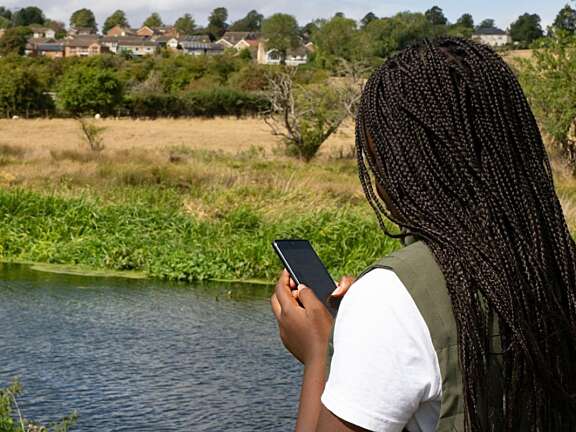
In September, we invited people across the UK and Ireland to visit their local river, reconnect with nature, and help build a clearer picture of river health by taking part in our seventh Big River Watch.
What followed was another fantastic week of citizen science. A total of 1,973 of you got involved, together submitting nearly 1,500 river health surveys and collectively spending 28 days observing our waterways. In fact, so many of you completed multiple surveys that the dashboard total exceeded 2,700. Whether you returned to the same stretch of river to see how it changed throughout the week or used Big River Watch as an excuse to explore somewhere new, we applaud the dedication.
From sightings of the wildlife that depends on our waterways to evidence of the many pressures they face, including pollution, climate change, and barriers to fish migration, every observation matters. Let's take a look at what you saw from the riverbank during our latest Big River Watch.
Wildlife by the water
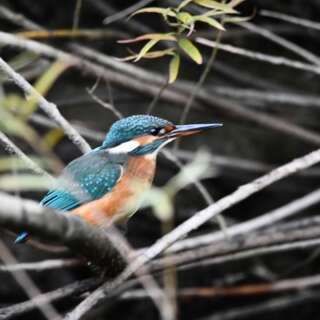
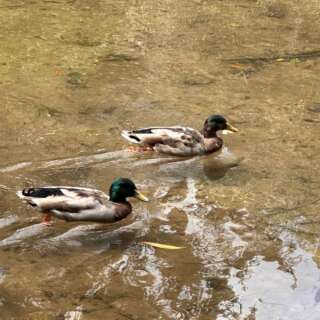
There's nothing quite like spotting the flash of blue and orange of a kingfisher dashing along the river or hearing the distinctive 'plop' of a water vole dropping off the bank into the water, and you recorded plenty of our iconic river species in your surveys. Unsurprisingly, ducks retained their title as Big River Watch champions, with nearly 40% of all surveys including a sighting and over 7,000 recordings across all the events, theirs is a record that will be hard to beat.
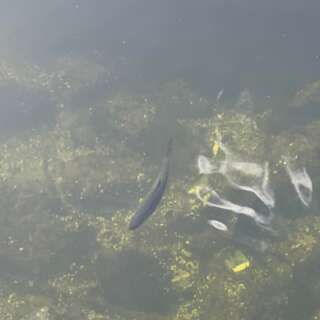
Fish followed closely behind, appearing in 31% of all surveys (448 sightings). In fact, excluding September 2024, when they were also recorded in 31% of surveys, this was the strongest Big River Watch yet for fish sightings. Encouragingly, some local Rivers Trusts are also reporting strong numbers in their electrofishing surveys. For example, Ribble Rivers Trust recently recorded one of the highest densities of Atlantic salmon fry seen in the Hodder sub-catchment for over a decade. In a single five-minute survey covering just 70m² of river habitat, they recorded an incredible 108 young salmon, learn more in their social media post here. As Fisheries Officer at Ribble Rivers Trust, Adam Wheeler put it:
"This year's (electrofishing) surveys give us real hope for the future. It's a cracking bit of news and a reminder that, when rivers are given the help the need to recover, fish quickly respond."
September is also a great time to spot one of our rivers' most iconic species, the kingfisher, and 182 surveys were lucky enough to include a sighting. As young birds from the summer broods disperse in search of territories of their own, and adults begin moving downstream towards estuaries, kingfisher activity can be particularly noticeable along our waterways.
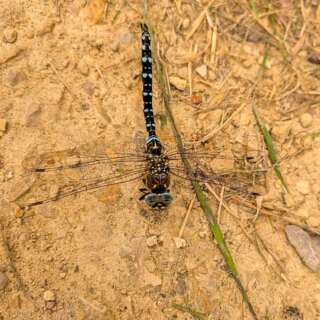
Dragonflies were another common sight, appearing in 346 surveys. Riverflies, a collective name for mayflies, caddisflies and stoneflies that are important indicators of water quality, were recorded in 201 surveys, while the UK's only aquatic songbird, the dipper, was spotted 88 times.
Evidence of a challenging summer
Heatwaves, droughts and water scarcity have dominated headlines across the UK and Ireland over the last few months, as prolonged dry weather placed significant pressure on our rivers.
The south and east of England experienced their longest rain-free spell since the 1990s, and by the end of July, half of the country had been declared in drought. Similar dry conditions were experienced across Scotland, Wales and Ireland. Hot weather also increases demand for water, exacerbating the problem of over-abstraction and placing already stressed ecosystems under even greater strain. Learn more about the impacts of drought and water scarcity on our rivers in our blog, here.
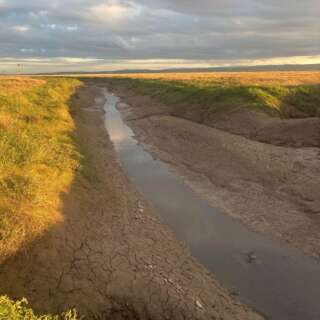
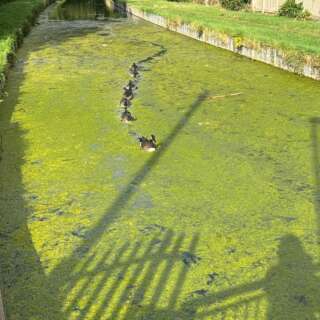
Your surveys captured many of the impacts of this challenging summer, providing a valuable snapshot of how our rivers were affected. Low river levels featured in many of your photos, as did rivers covered in algae and duckweed. Warm weather and reduced flows can concentrate pollutants such as nitrates and phosphates, fuelling excessive plant growth and algal blooms that reduce oxygen levels, damage habitats, and stress wildlife. Additionally, blue-green algal blooms can also produce toxins harmful to both people and animals.
Pollution
Alongside the challenging summer, our rivers continue to face a range of other pressures. While recording pollution is hardly as exciting as spotting a kingfisher flash past, these observations are vital to helping improve the condition of our waterways. Big River Watch helps us build a more detailed picture of river health across the UK and Ireland, highlighting where our rivers need the most support and helping us track long-term trends, including the impacts of climate change.
Nearly half (48.6%) of all surveys recorded at least one type of pollution, although only around 4% reported sewage or sewage fungus. While this lower number is encouraging, it is likely influenced by the dry summer and the weather during Big River Watch. Rainfall can trigger discharges from Combined Sewer Overflows (CSOs) and wash pollutants from roads and surrounding land into waterways, and your survey results reflect this as 40% of surveys that recorded sewage or road runoff also reporting rain within the previous 24 hours.
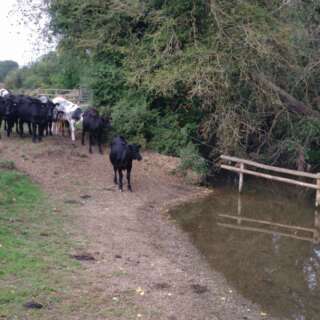
Livestock near the water was also a common sight, appearing in 206 surveys. Alongside riverbank erosion caused by trampling and the loss of bankside vegetation, livestock waste can add nutrients such as nitrogen and phosphates to rivers, contributing to excessive growth of algae and duckweed. As highlighted earlier, these issues can become particularly pronounced during periods of hot, dry weather.
Silt was once again the most frequently recorded pollutant, featuring in 310 surveys. Even during a particularly dry summer, wind, along with human and animal activity can carry sediment from bare ground into our rivers where it can reduce water quality and bury habitats used by fish and invertebrates.
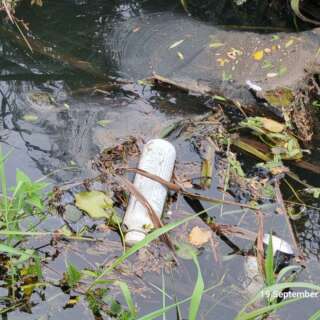
Other forms of pollution were also spotted. Litter remains a widespread problem for our rivers, recorded in 45% of surveys, while road runoff was noted 61 times. With wetter weather returning, runoff is likely to become a greater pressure over winter, as rain falls on hard, sunbaked ground that struggles to absorb water and washes pollutants from roads and surrounding land into our waterways.
Barriers and the power of citizen science
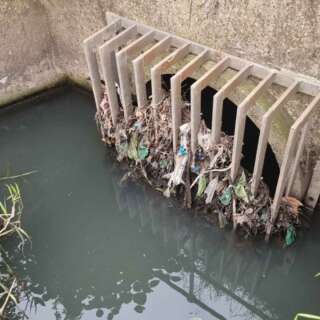
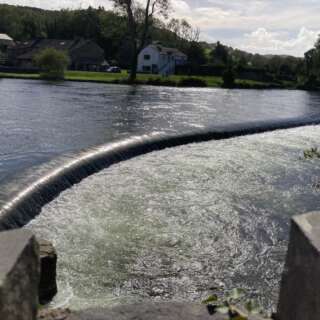
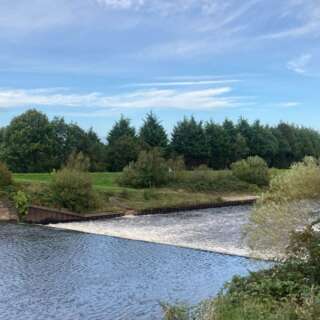
One of the greatest strengths of citizen science is its ability to gather huge quantities of data across large geographic areas at a scale that would be impossible for any single organisation. That's especially true when it comes to barriers in our rivers. Dams, weirs and culverts affect 99% of rivers in England, Scotland and Wales, disrupting natural river processes and preventing wildlife from moving freely through our waterways.
Removing barriers altogether, or reducing their impact by installing fish passes and eel ladders, can help reconnect rivers, improve habitat quality, and increase resilience to other pressures. But before barriers can be tackled, they first need to be found. During this Big River Watch alone, participants recorded an impressive 829 barriers. Perhaps even more significantly, over the last three years, Big River Watchers have identified nearly 300 previously unreported barriers that can now be verified by local organisations and considered for future restoration projects.
The Rivers Trust has played a leading role in developing the Rivers Obstacles Database, which currently maps more than 49,000 barriers across England. Barriers recorded by Big River Watchers feed into this database which is openly available and used by public bodies, local authorities and environmental organisations, including local Rivers Trusts, to guide projects that address the issues of barriers in our waterways and work to reconnect river systems and restore habitats. The data also helps inform in-depth reports such as our State of Our Rivers Report, providing vital evidence to support campaigns, influence policy, and strengthen the case for healthier rivers.
With every barrier recorded, Big River Watchers are helping to build the evidence needed to reconnect rivers. It's a powerful example of how people taking part in citizen science can make a tangible difference to the health of our waterways.
Noticing the good
Big River Watch is about more than gathering data. It's also an opportunity to slow down, reconnect with nature, and spend time by your local river.
That's why we're always pleased to see that the words people most commonly use to describe how being by a river makes them feel are overwhelmingly positive. Peaceful, calm and relaxed consistently rank among the most frequently reported feelings. Of course, words such as sad and disappointed appear too, which is hardly surprising given the challenges facing our waterways. But despite the issues highlighted in many surveys, it is heartening to see positive feelings far outweigh negative ones.
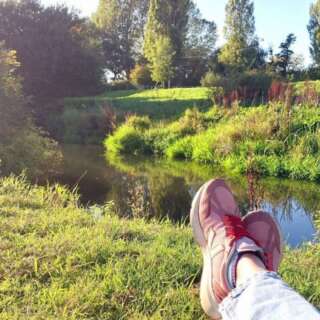
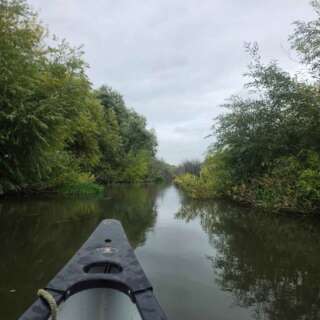
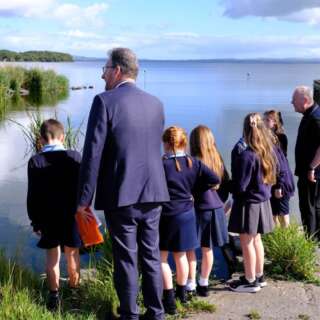
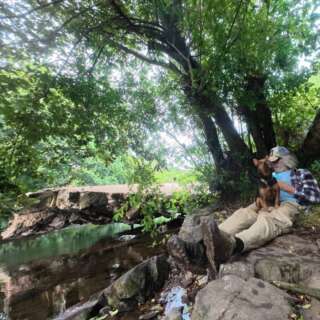
Together with the photos of people enjoying their local waterways, these responses provide a powerful reminder of why healthy rivers matter. As well as supporting wildlife and helping communities become more resilient to floods, droughts and climate change, rivers offer invaluable spaces where people can connect with nature, improve their wellbeing, and enjoy the simple benefits of spending time by the water.

Take further action for our rivers
Thank you to everyone who took part in September's Big River Watch. Every survey, photo, and waterside observation helps us better understand the health of our rivers across the UK and Ireland, and supports our work towards wild, healthy, natural rivers. We'd also like to extend a special thank you to the Amber River Foundation for supporting this Big River Watch.
You'll have another opportunity to get involved in April 2027, but there are plenty of mays to make a difference for our rivers in the meantime:
- Find your local Trust: Many of our Member Trusts offer hands-on volunteering like litter picks, tree planting, balsam bashing and riverfly monitoring. Find your local Trust here.
- Explore the data: Use our interactive data explorer to dive into survey results from all four Big River Watch events.
- Demand Clean Water Now: The UK government has a once-in-a-generation opportunity to create a new law that protects and restores our waters, but it must be done properly. Use our tool to email your local MP and help ensure that the upcoming Water Reform Bill delivers for our rivers.
- Stay in touch: Sign up to our newsletter to keep up to date with our work, campaigns, and opportunities to help.
- Learn more: Read our State of Our Rivers Report to understand the key issues, the condition of our rivers, and what needs to be done to restore them.
- Register for Earthwatch's next Great UK WaterBlitz and combine your Spring 2026 Big River Watch with a further citizen science activity and test the water yourself.