
Sustainable Catchment Programme — Northern Ireland
The Rivers Trust, in partnership with the Department of Agriculture, Environment and Rural Affairs (DAERA), Ballinderry Rivers Trust, and funded by the Green Growth Investment Programme and Environmental Farming Scheme, has been pioneering the Sustainable Catchment Programme (SCP) in Northern Ireland.
The Rivers Trust, in partnership with the Department of Agriculture, Environment and Rural Affairs (DAERA), and Ballinderry Rivers Trust, has been pioneering the Sustainable Catchment Programme (SCP) in Northern Ireland. With a significant investment exceeding £5 million over five years, including over £1.2 million in contributions from farm businesses, this innovative, ongoing initiative is dedicated to enhancing the sustainability of local farms and the health of freshwater environments across targeted catchments.
Programme Objective
The SCP aims to address agricultural pressures on water quality through independent, non-regulatory advice and grant support for farmers. The programme leverages the expertise of dedicated Water Friendly Farm Advisors to guide personalised, effective, and funded interventions on agricultural land and farmyards designed to reduce nutrient and soil runoff to nearby rivers and streams. These simple but effective on-farm actions reduce water pollution and runoff at source, protecting the freshwater environment and wider biodiversity habitat.
Such interventions can also support farm businesses by reducing costs and increasing their sustainably.
Our catchment areas
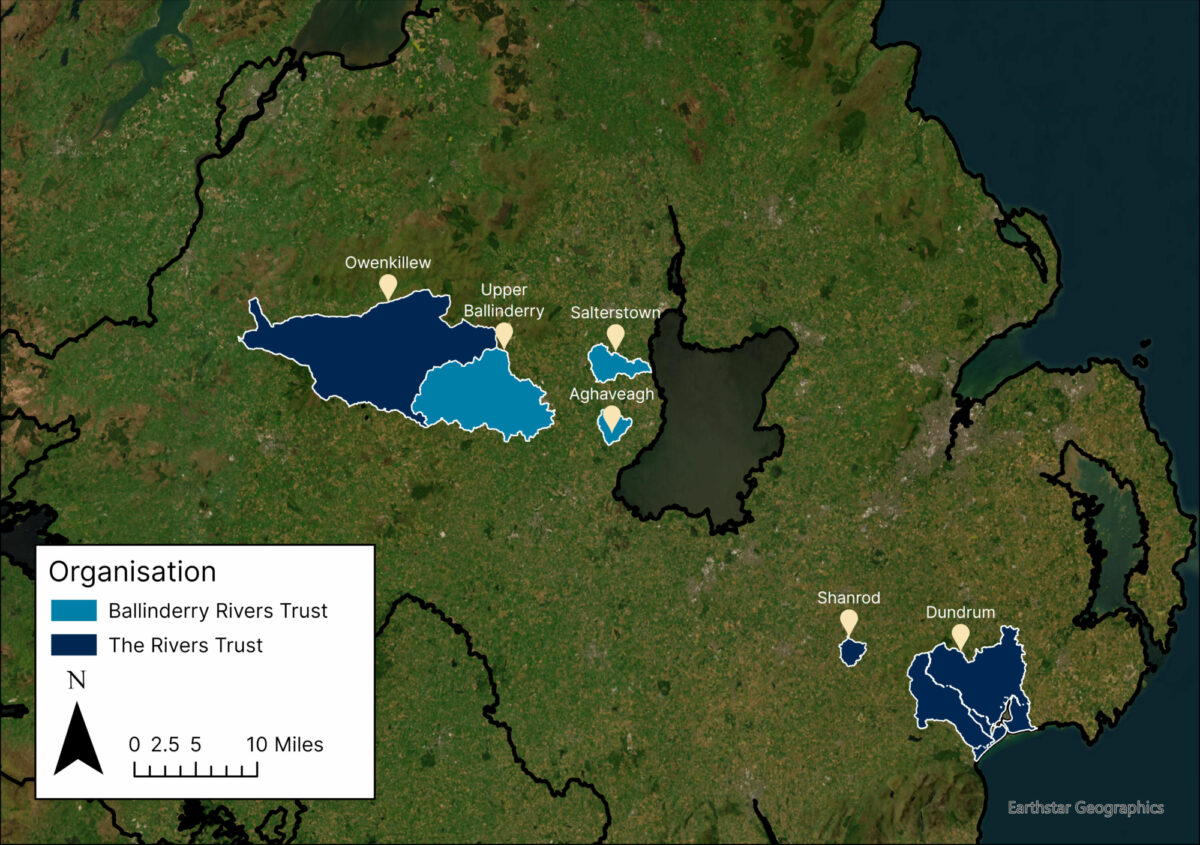
Ballinderry river catchments
Ballinderry River in County Tyrone/Derry-Londonderry is the only river in the Neagh-Bann system with a population of the globally endangered freshwater pearl mussel. The entire catchment area and the adjacent western-shore rivers and streams of Lough Neagh contain water bodies that are prioritised for action by the Northern Ireland Environment Agency to meet Water Framework Directive and Habitats Directive targets. The Ballinderry River and the western shore streams of Lough Neagh all form part of the operational area of Ballinderry Rivers Trust; a charity with a track record of delivering water quality improvement projects by working closely with the farming community.
Shanrod
This small catchment is part of the Upper Bann River Basin, and so eventually drains into Lough Neagh. In collaboration with scientists at the Agri-Food and Biosciences Institute (AFBI) and Ulster University (UU), The Rivers Trust has installed on-farm interventions as part of a research project evaluating their efficacy.
Owenkillew
Owenkillew River in County Tyrone is one of only two rivers in the Foyle system with a population of the globally endangered freshwater pearl mussel. The Owenkillew is designated as a Special Area of Conservation (SAC) and an Area of Special Scientific Interest (ASSI). The Rivers Trust delivers capital works through SCP conservation measures from the Owenkillew River SAC Conservation Management Plan (CMP).
Dundrum
Dundrum River in County Down, has been prioritised for action due to impacted water quality in the river arising from agricultural sources and the impacts this is having on the shellfishery in Dundrum Bay. The Rivers Trust leads on delivering the SCP and farm advisory for the Dundrum River catchment, to address some of the agricultural pressures on the river system.
Implementation
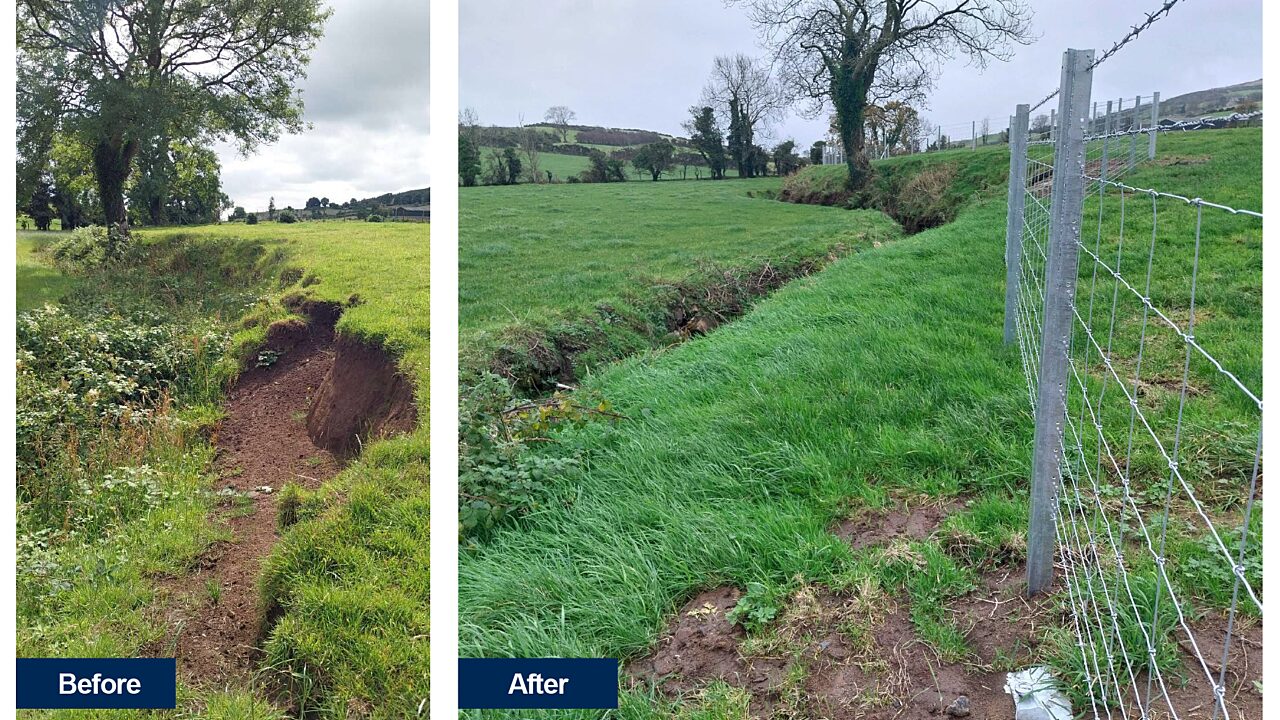
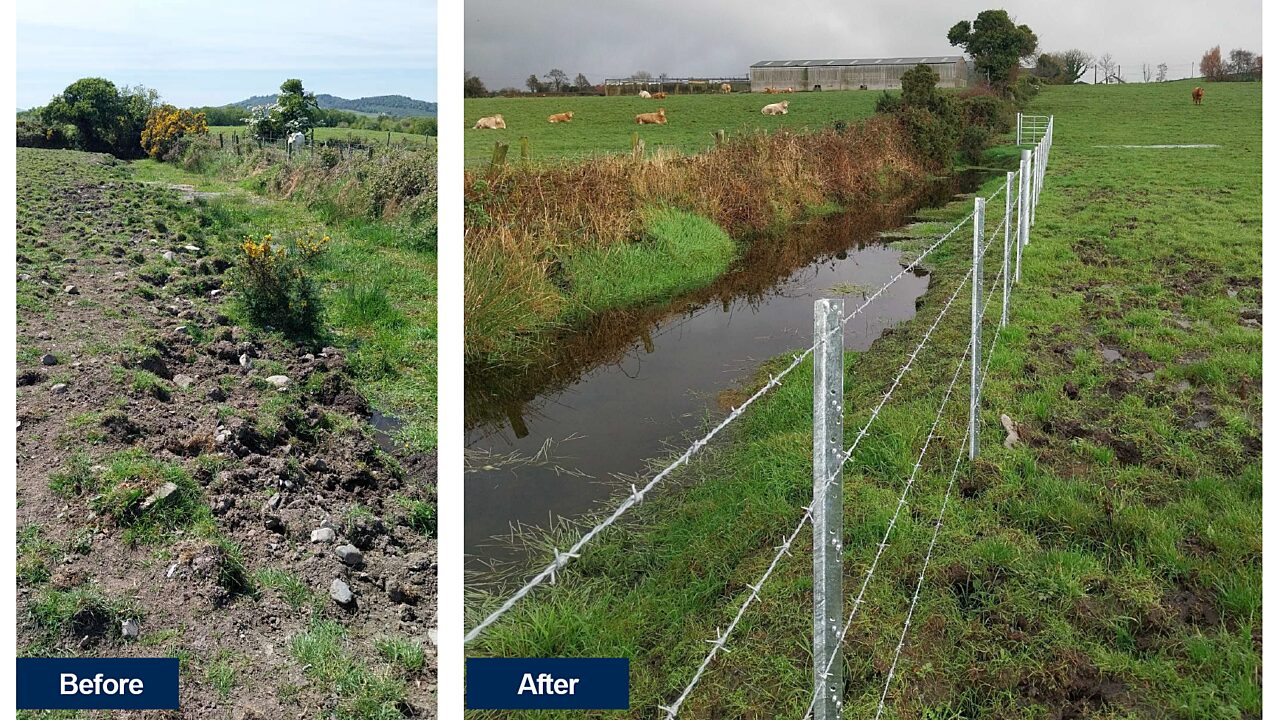
Our Water Friendly Farm Advisors meet with farmers on their lands to develop bespoke Water Environment Management Plans (WEMPs). These plans identify water quality protection opportunities and outline eligible SCP-funded measures. The focus of the plans is ensuring the right measures are in the right places to maximise water quality and farm benefits. Interventions have included riverbank (riparian) buffer zone creation, livestock exclusion fencing, installation of alternative livestock watering facilities like solar-powered pump troughs, and clean and dirty water separation measures on farmyards.
On-the Ground Highlights
- Watercourse fencing - More than 77 km of fencing have been installed across all the catchments within the Sustainable Catchment Programme, with more than 35 km alone installed in a sub-catchment of the Upper Bann, and more than 23 km installed across sub-catchments of the Upper Ballinderry River, both of which flow into Lough Neagh. Watercourse fencing measures prevent pollution to rivers by stabilising banks to prevent sediment entering the stream, as well as providing buffer zones for nutrient runoff from neighbouring fields.
- Hedging and tree planting – 16 km of hedging and more than 750 additional trees were planted across all SCP catchments, through the SCP grant, including 540 trees planted in catchments flowing into Dundrum Bay in 24/25 alone.
- Roofing - roofs were erected across many farms within SCP catchments, resulting in more than 16,000 m2 coverage over dirty storage or animal handling areas, ensuring that rainfall does not carry nutrients from these areas into rivers.
- Soil Aerating – at least 275 acres of land had soil aeration measures implemented across the SCP catchments. These measures break up the soil, allowing the capture of more water during rainfall events, slowing the flow of water to rivers and reducing the risk of rainfall carrying pollutants to rivers and eroding topsoil.
Innovative Collaborations
A recent collaboration with the Woodland Trust Northern Ireland has also identified 86 additional catchment tree planting opportunities, both within and outside the catchment areas within the Sustainable Catchment Programme. Our Woodlands for Water Officer facilitates the planting of trees in these additional areas, particularly where opportunities can be delivered through other appropriate grant schemes. Of those already identified, 20 tree planting opportunities have already been delivered, helping combat nutrient and sediment runoff, aiding in carbon sequestration, and fostering biodiversity.
Research
Our collaboration with AFBI and UU scientists in the Shanrod catchment of the Upper Bann resulted in successfully published research supporting the efficacy of the measures we use. Dr Maëlle Fresne and coauthors found that installing buffer strips along rivers resulted in a reduction in sediments and particulate phosphorus in-streams, excess nutrients which contribute to poorer water quality. https://www.sciencedirect.com/science/article/pii/S0301479725037594
Outcomes
The SCP has delivered numerous water protection measures that also generate co-benefits for society and the environment. Farmers have reported opportunities to increase sustainability and a better protected freshwater environment. The SCP's work contributes to reducing nutrient pollution in rivers and loughs and helps in mitigating harmful algal blooms in key water bodies like Lough Neagh.
Future Plans
The Rivers Trust is set to roll out additional grants in 2026, with funding for interventions expected to protect water quality. The areas focused on within the project continue to expand, with more farmers engaged across the Dundrum and Owenkillew catchments. The expansion offers an unprecedented opportunity for farmers in further selected catchments to participate in actions that preserve the integrity of water sources and advance the welfare of their farmland.
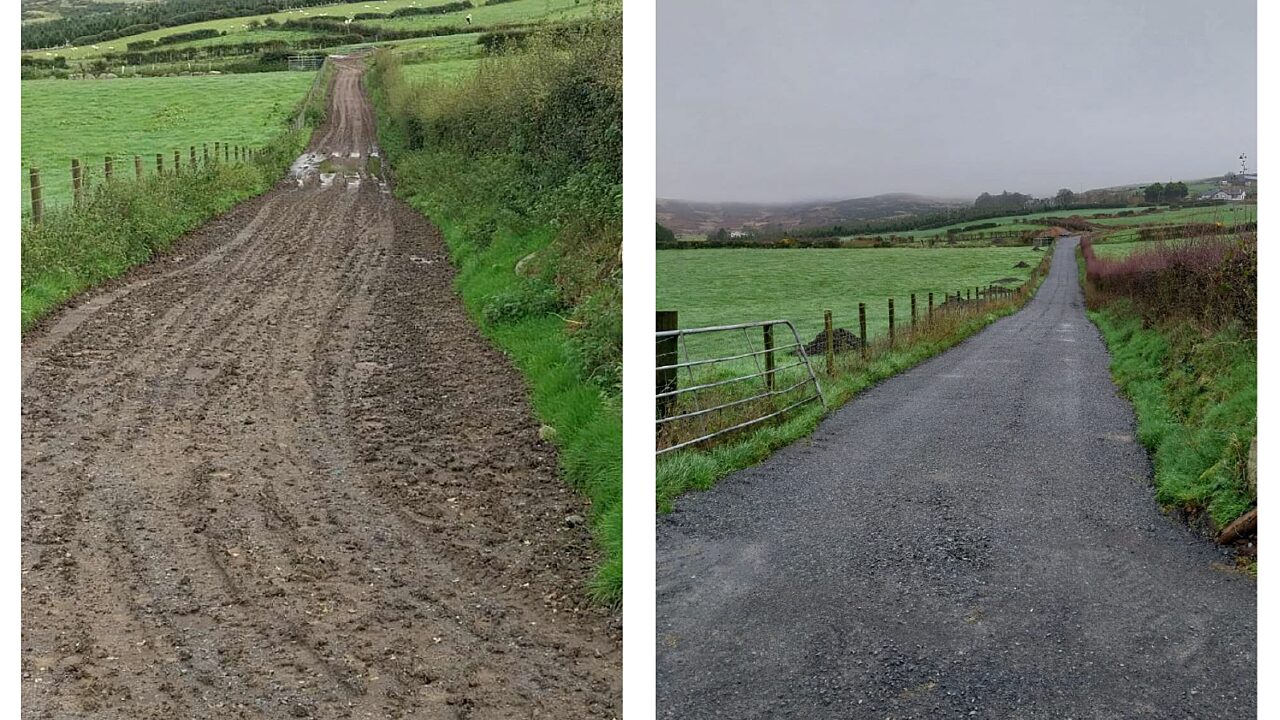
"The Rivers Trust is committed to supporting farmers as the direct custodians of our land. We believe in working together to enhance water quality, protect biodiversity, and ensure the prosperity of farm businesses while protecting and improving the health of our rivers and loughs. Through collaboration and support, we can achieve a sustainable economy and a flourishing environment enjoyed by all."
Mark Horton, All-Ireland Director, The Rivers Trust
